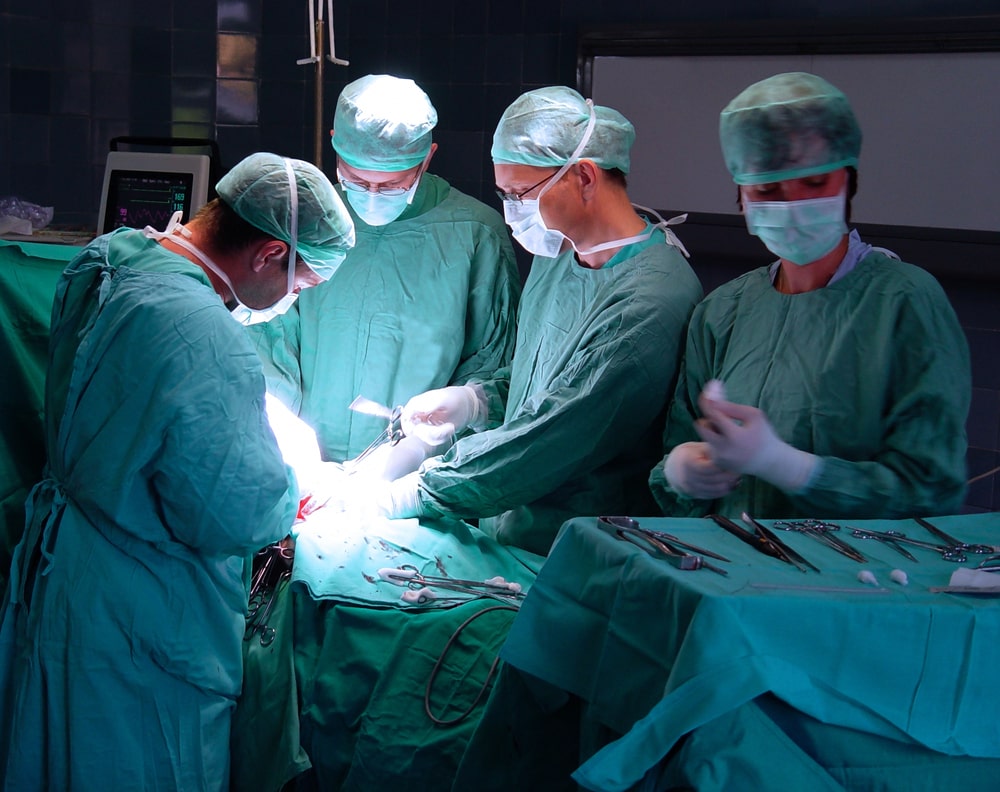
If you were injured during or after an operation in Atlanta and were told it was simply a complication, you may be wondering whether the problem was a risk of surgery or a preventable mistake. Our Atlanta medical malpractice lawyer can compare the operative records with accepted surgical practice and explain what they show. Moriarty Medical Malpractice Lawyers prepared this guide to explain what surgical errors are and how they differ from the known risks of surgery.
What a Surgical Error Is
A surgical error is a departure from accepted practice before, during, or after an operation that causes harm to the patient. The error may be made by the surgeon, another member of the surgical team, or the hospital or surgery center responsible for the operating room’s systems and staff.
Surgical care includes more than the operation itself. It covers the decision to operate, the preparation before the procedure, the procedure, and the monitoring and follow-up care afterward. An error at any of these stages can support a claim if it falls below the standard of care and causes injury.
Common Types of Surgical Errors
- Wrong-site, wrong-procedure, or wrong-patient surgery. Operating on the wrong side or body part, performing a different procedure than planned, or operating on the wrong patient.
- Retained surgical items. Leaving a sponge, instrument, needle, or other item inside the body after the incision is closed.
- Injury to nearby organs, vessels, or nerves. Cutting, puncturing, or burning a structure outside the surgical target through poor technique. An esophageal perforation during neck spine surgery is one example.
- Unnecessary surgery. Performing an operation that the patient’s condition did not require, or without explaining less invasive alternatives.
- Failures after surgery. Not recognizing internal bleeding, infection, or other warning signs during recovery, or discharging a patient too early.
Some of these failures involve the operating room’s systems rather than one person. Instrument counts, time-out checklists, and staffing are the facility’s responsibility, which is why these cases often overlap with hospital negligence claims.
How Often Surgical Never Events Occur
Wrong-site surgery and retained surgical items are called “never events” because they should not happen when safety protocols are followed. A systematic review summarized by AHRQ found median rates of about 1 retained surgical item per 10,000 procedures and about 1 wrong-site surgery per 100,000 procedures. A separate Johns Hopkins study estimated that these events occur more than 4,000 times a year in the United States.
Negligence Compared With a Known Surgical Risk
Every operation carries risks. Bleeding, infection, blood clots, and nerve irritation can occur even when the surgeon and team do everything correctly. These are the kinds of risks a patient is told about before agreeing to surgery, and when one of them occurs despite careful treatment, it is a complication rather than malpractice.
The line is crossed when the harm results from a departure from accepted practice. Operating on the wrong knee is not a known risk of knee surgery. Neither is a sponge left in the abdomen. Other cases require closer analysis. A surgical site infection may be an unavoidable risk, or it may follow a break in sterile technique or a delay in treating early signs. Our article on the difference between surgical risks and errors explains how that distinction is drawn.
A signed consent form does not excuse negligence. Consent covers the risks that were disclosed, not a preventable mistake. If a material risk was never disclosed, that can raise a separate issue, which our guide to informed consent rights covers. Injuries tied to sedation or monitoring during the operation are explained in our guide to anesthesia errors.
The Evidence in a Surgical Error Claim
Surgical cases rely on records created in and around the operating room:
- The operative report describing what the surgeon did and observed
- Surgical and anesthesia records with time stamps
- Instrument and sponge counts and the time-out checklist
- Nursing notes and vital signs from recovery
- Imaging taken before and after the procedure
- Records from any corrective surgery
Those records are compared with accepted surgical practice by a qualified physician in the relevant specialty. The review addresses whether the care fell below the standard and whether that departure caused the injury.
Timing Rules for Retained Surgical Items
Georgia applies a special deadline when a foreign object is left in the body. The claim must be brought within one year after the object is discovered, and the usual two-year and five-year limits do not apply. Other surgical errors follow the standard deadlines. Our guide to Georgia filing deadlines explains both.
What You Can Do After a Surgical Injury
- Continue your medical care. Follow the advice of your current treating physician about your health. This guide is not medical advice.
- Request your records. Ask for the operative report, anesthesia record, nursing notes, imaging, and records of any follow-up surgery.
- Write down what you were told. Note what the surgeon and staff said before and after the procedure, and when.
- Avoid signing releases. Do not sign a release or accept a settlement offer from a provider or insurer before speaking with a lawyer.
Next Steps
When the records suggest a preventable error, our surgical errors practice page explains how our attorneys investigate these claims. Moriarty Medical Malpractice Lawyers represents patients in Atlanta and nearby communities, including Peachtree Corners. Contact us to schedule a free consultation and have our attorneys review your surgical records.
Back to Medical Malpractice Resources →